Does Sampling Promote Sales (the Girl Talk example)
Copyfight 2013-10-29
Summary:
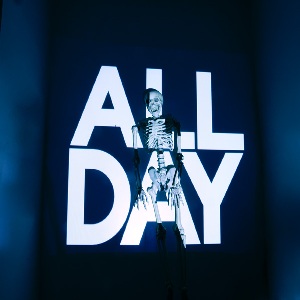
Back in 2010 Girl Talk (aka Greg Gillis) put out a huge mash-up album called "All Day". By huge, I mean "oh my god did he sample everything under the sun". The album was released for free - you can get it from the illegal-art site or just stream it on YouTube - and Girl Talk didn't go around trying to get permission to use the almost-400 samples that made up the album, claiming that his work was fair use. The album was followed in 2011 by a Kickstarter-funded film called "Girl Walk" that told a story in dance set to the tracks of the album.
This brings us to a paper (abstract here on SSRN) with the title "Fair Use, Girl Talk, and Digital Sampling" by W. Michael Schuster II. The paper purports to show that sales of the songs sampled by Girl Talk increased in the year after the album's release when compared to sales the year before. That's an important argument if true, as it would lend support to the thesis that sampling brings attention, which brings sales and therefore copyright regimes should be relaxed to allow more sampling.
Much as I'd like to see support for that hypothesis, I don't think this paper provides it. As Stewart Baker (another Girl Talk fan) blogged, "Schuster achieves his results by playing with the sample, dropping nine songs from a sample of about 200 because they completely wreck his argument".
Schuster argues that he is justified in dropping these songs from the data set because they were hits before Girl Talk used them and we know that hit songs tend to have (often steep) declines in sales after their popularity peak is gone. That's likely true, and Schuster is far from the first author to clean up a data set for publication. However, when your cleaning involves removing only those data points that end up refuting your conclusion the work becomes suspect.
We need more scholarship in this area, and not to draw strong conclusions from any single study.