Comftrable
Language Log 2025-09-21
Today's For Better or For Worse: 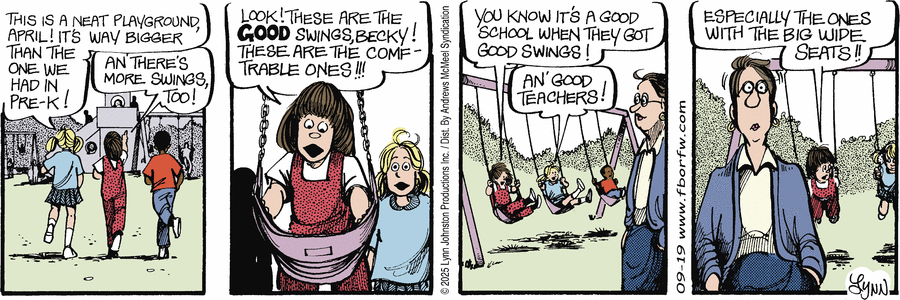
April's "comftrable" is not dictionary-sanctioned — but maybe it should be?
The OED offers two U.S. English pronunciations. The first one has all four syllables, while the second one combines the second and third syllable into one: 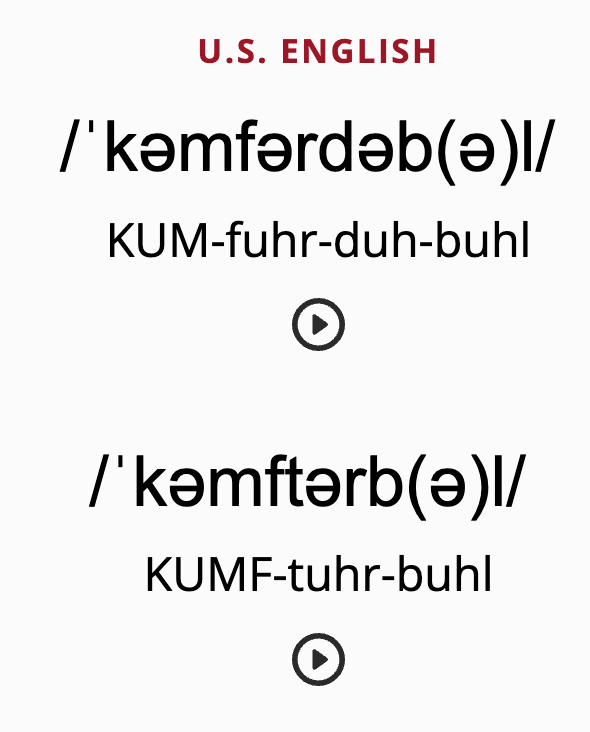
And in the first IPA string, the initial consonant of the third syllable, corresponding to the final 't' of comfort, is transcribed as a voiced [d], as we expect for a non-pre-stress intervocalic /t/. And that's pretty much consistent with the audio — though at 21 milliseconds of closure, a fussy phonetician might transcribe it as a flap [ɾ]:
Your browser does not support the audio element. 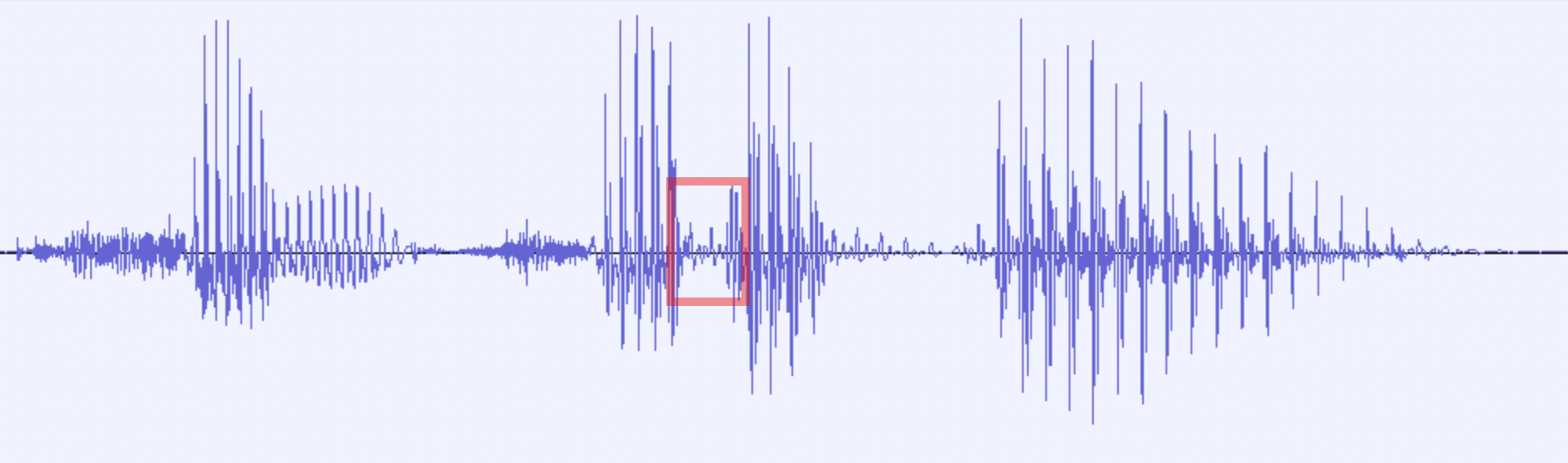
In the second pronunciation, the underlying 't' should be a voiceless aspirate, since it's no longer intervocalic — and that's indeed how it comes out in the associated audio:
Your browser does not support the audio element.
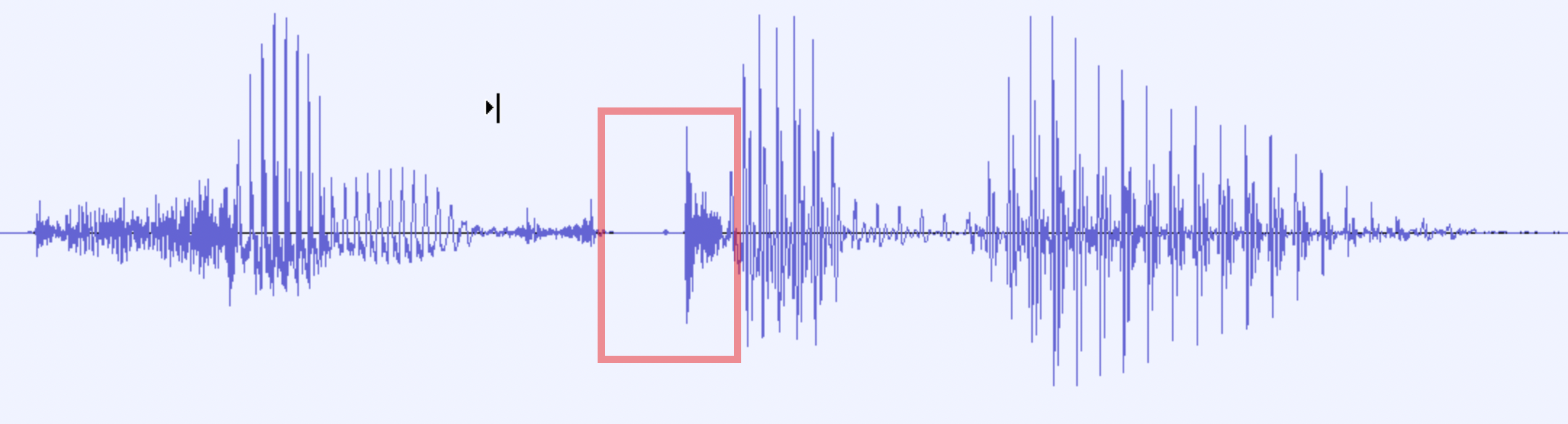
Our fussy phonetician would transcribe the following syllable nucleus as a rhotic schwa [ɚ] , not the OED's [ər] sequence. Since the vocalic portion is only 57 milliseconds long, there's no time for such a sequence to be performed — and if we listen to the syllable, we can hear that it isn't:
Your browser does not support the audio element.
But since I don't really believe in the IPA as a way of representing phonetic realization (though I might be fussy in other ways), I'll give them a pass.
Merriam-Webster also offer two pronunciations, though in the opposite order, starting with the more reduced version:

And in the first pronunciation, we can agree with MW's [t]:
Your browser does not support the audio element. 
But in the second one, the [t] transcription is wrong — because the phonological /t/ is non-pre-stress and intervocalic, it again comes out as a voiced flap:
Your browser does not support the audio element. 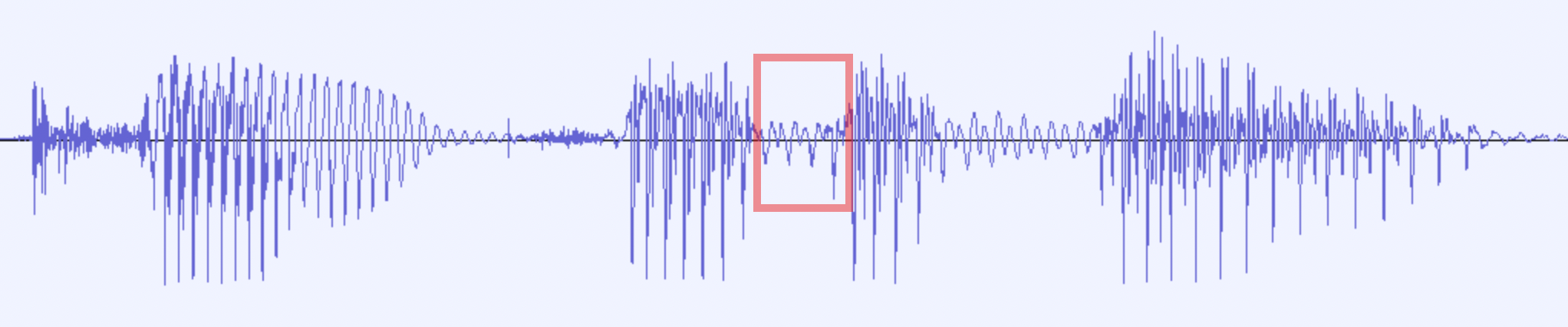
And again, the following syllabic nucleus is a rhotic schwa, not a schwa r sequence.
Wiktionary gives just one pronunciation — and it's the reduced one, with the /t/ rendered correctly:

Your browser does not support the audio element. 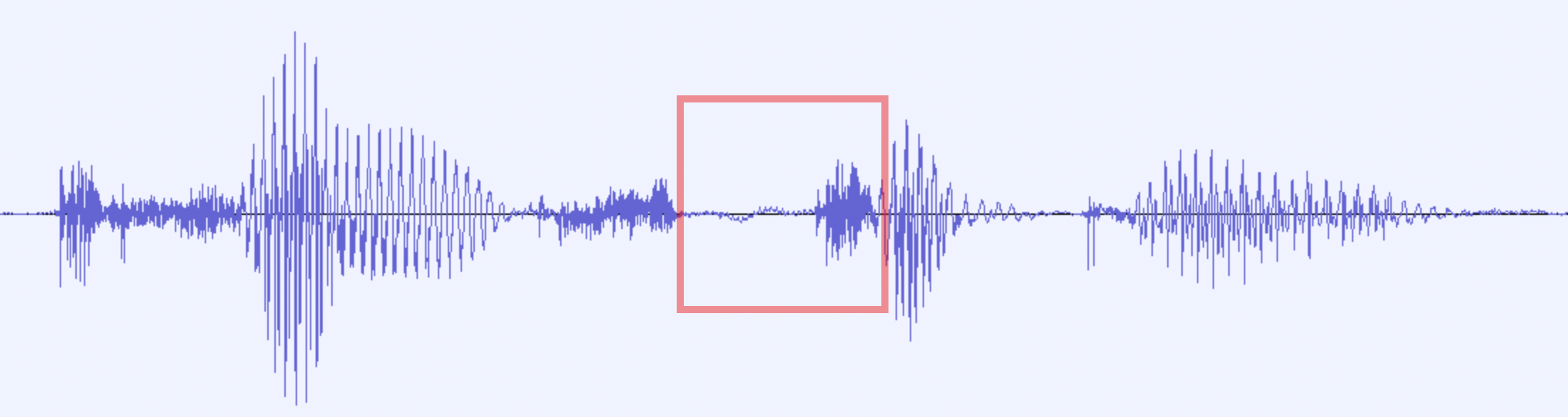
The transcribed r-lessness of the second (phonetic) syllable in that performance seems correct, though it's so short that it's hard to tell:
Your browser does not support the audio element.
But what about the [tr] cluster in April's "comftrable"?
As noted above, the vowel should be a rhotic schwa, not either [r ə] or [ə r]. Maybe April's pronunciation is slow enough for a transition to emerge? But more important, syllable-initial /tr/ is often produced as a post-alveolar affricate, and I suspect that's what April is doing.
I think that I sometimes say "comfortable" in that way as well. But listening to 100 examples randomly selected from the 4371 occurrences of "comfortable" in the previously-mentioned NPR podcasts dataset, I didn't find any clear examples of April's version. If any readers have made it this far, perhaps they'll give us their evaluation of their own range of pronunciations.
However, there were a couple of interesting cases in that sample that seemed to combine a fricative version of the /tr/ affrication, with an additional lenition of the /b/ to a syllable-initial [w], and reduction of the whole word to two phonetic syllables.
This is from a 2010 NPR podcast, in which Joseph Shapiro says:
Your browser does not support the audio element.
but Katie says she feels most comfortable when she's anonymous
Zeroing in on "comfortable":
Your browser does not support the audio element.
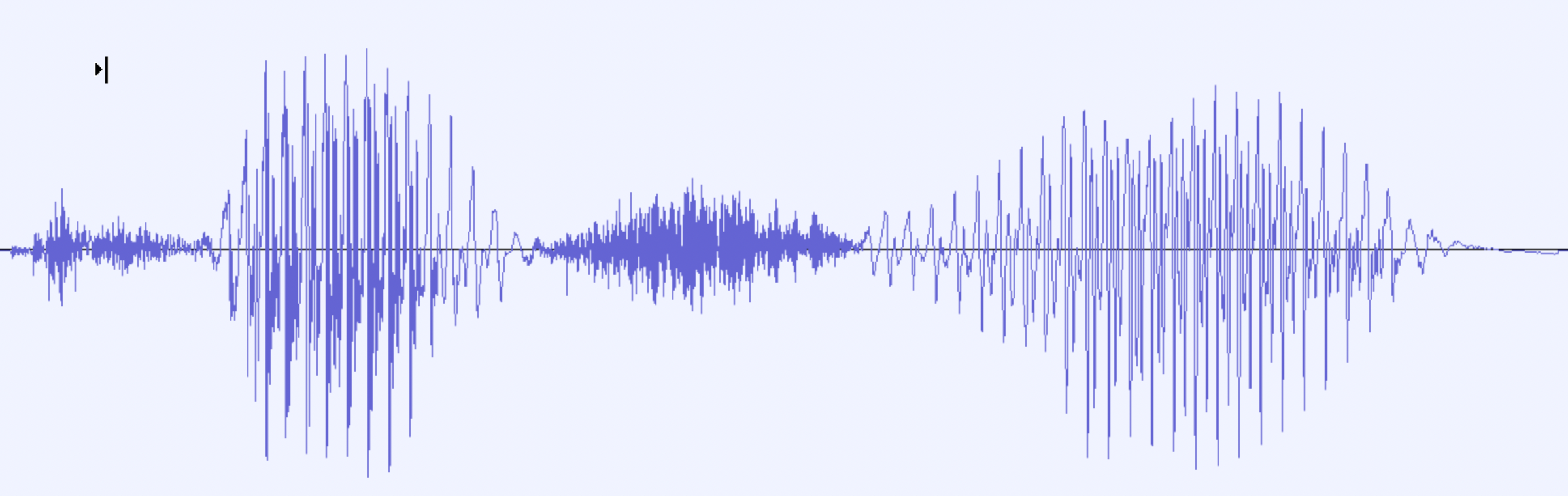
And now list to just the (monosyllabic!) "…table" part:
Your browser does not support the audio element.
The corresponding IPA, if we're forced to render this performance of the word in those symbols, would be something like [ˡkʌm.ʃwl̩]. (That's a final syllabic [l], in case you can't see the "combining vertical line below"…). Of course, as I've observed more than once before, there's a more complex articulatory residue lurking unsymbolized in the acoustics.
It's striking that we don't even notice what he's done, unless we're looking at a visualization of the audio, or listening to the final (phonetic) syllable out of context.
And more generally, this is another good example of how actual pronunciation is massively undocumented, in English as well as all other languages. (Though there's more (allusive) documentation in comic strips than empirical coverage in the published literature, alas…)