Managing Outstanding Invoices: Effective Strategies for Timely Payment Resolution
Hobart and William Smith Colleges 2026-05-05
Businesses of all the sizes face the issue of unpaid invoices frequently. Delays in payments can result in cash flow disruption as well as unnecessary stress; even when sales are good. Effectively managing outstanding invoices involves a lot more than simply chasing payments – it involves implementing the proper systems as well as communication to stay away from delays to begin with.
Why Outstanding Invoices Turn into a Problem
Outstanding invoices frequently build up because of a mix of small problems instead of one serious problem. Payment deadlines can be forgotten, terms misunderstood or clients may postpone payments because of cash flow issues. The delay can be caused by unclear invoices or lack of follow-up in some cases.
These unpaid amounts can have an impact on day-to-day operations as time passes. Businesses may encounter difficulties in meeting their expenses, investing in growth, or sustaining steady operations. It is crucial to address payment delays early so that they do not escalate into larger financial issues.
Setting Clear Payment Terms from the Start
Setting clear expectations upfront is one of the best ways to minimize payment delays. The payment terms ought to be clear, precise and simple to comprehend. This includes indicating due dates, established payment methods, and any late charges which might be applicable.
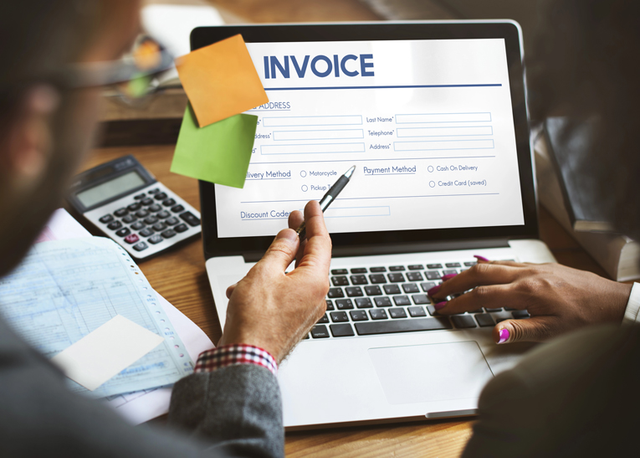
There is less confusion when clients know precisely what’s expected. These expectations are reinforced when invoices are sent promptly after work is completed, and payment timelines are kept on course.
The Significance of Consistent Follow-Ups
Unpaid invoices need not make you feel uncomfortable when following up on them. A lot of delays can be remedied with easy reminders. A friendly message sent just before the due date and another following the due date can significantly raise payment rates.
Consistency is crucial. Waiting too long to follow up may indicate that payment isn’t urgent. Conversely, professional and regular communication demonstrates that you value your payment terms.
Utilizing Technology to Stay Organized
Digital tools are being used by a lot of businesses to control their invoicing process. Monitoring and collecting payments can be made easier with automated reminders, tracking methods as well as online payment alternatives.
These tools not only save time but also minimize human error. Businesses can act fast and remain in control of their finances by having a clear view of all the Outstanding Invoices.
Maintaining Professional Relationships While Getting Paid
It can be tough to balance payment collection with client relations. The objective is to maintain professionalism while remaining firm in your payment expectations. That balance is maintained through clear communication, respectful follow ups along with a constant process.
Businesses with well-established systems tend to be more likely to respect clients in the long term. Effectively managing payments demonstrates dependability and professionalism, which could build trust rather than undermine it.
Constructing a Sustainable Payment Process
Management of outstanding invoices involves more than just resolving current problems – it involves preventing future ones. Businesses are able to achieve a smoother and more predictable payment process by establishing clear terms, following up regularly and making use of the appropriate tools.